Curly Hairstyles: 10 Best Ideas
Curly hairstyles are more than just a trend—they are a powerful expression of natural identity. Whether you have loose waves or gravity-defying coils, your hair tells a story of individuality. However, navigating the world of curl care can be overwhelming. This guide optimizes your approach to natural hair, helping you identify your specific curl type,…
Curly hairstyles are more than just a trend—they are a powerful expression of natural identity. Whether you have loose waves or gravity-defying coils, your hair tells a story of individuality. However, navigating the world of curl care can be overwhelming.
This guide optimizes your approach to natural hair, helping you identify your specific curl type, master salon-quality techniques like the LOC method, and choose the right hairstyles for any occasion.
Key Takeaways: Quick Curl Guide
| Curl Goal | Technique | Best Product Type |
| Definition | Finger Coiling, Shingling | Curl Cream or Gel |
| Volume | Diffusing upside down | Mousse |
| Moisture | Squish-to-Condish | Leave-in Conditioner |
| Protection | Pineappling / Bonnets | Silk/Satin Accessories |
1. Understanding Your Natural Curl Pattern
Before you buy products, you must know what you are working with. The Andre Walker Hair Typing System is the industry standard for classifying textures.
Identifying Your Curl Type
Curl typing is broken down into numerical categories and alphabetical subcategories (A, B, C) based on width.
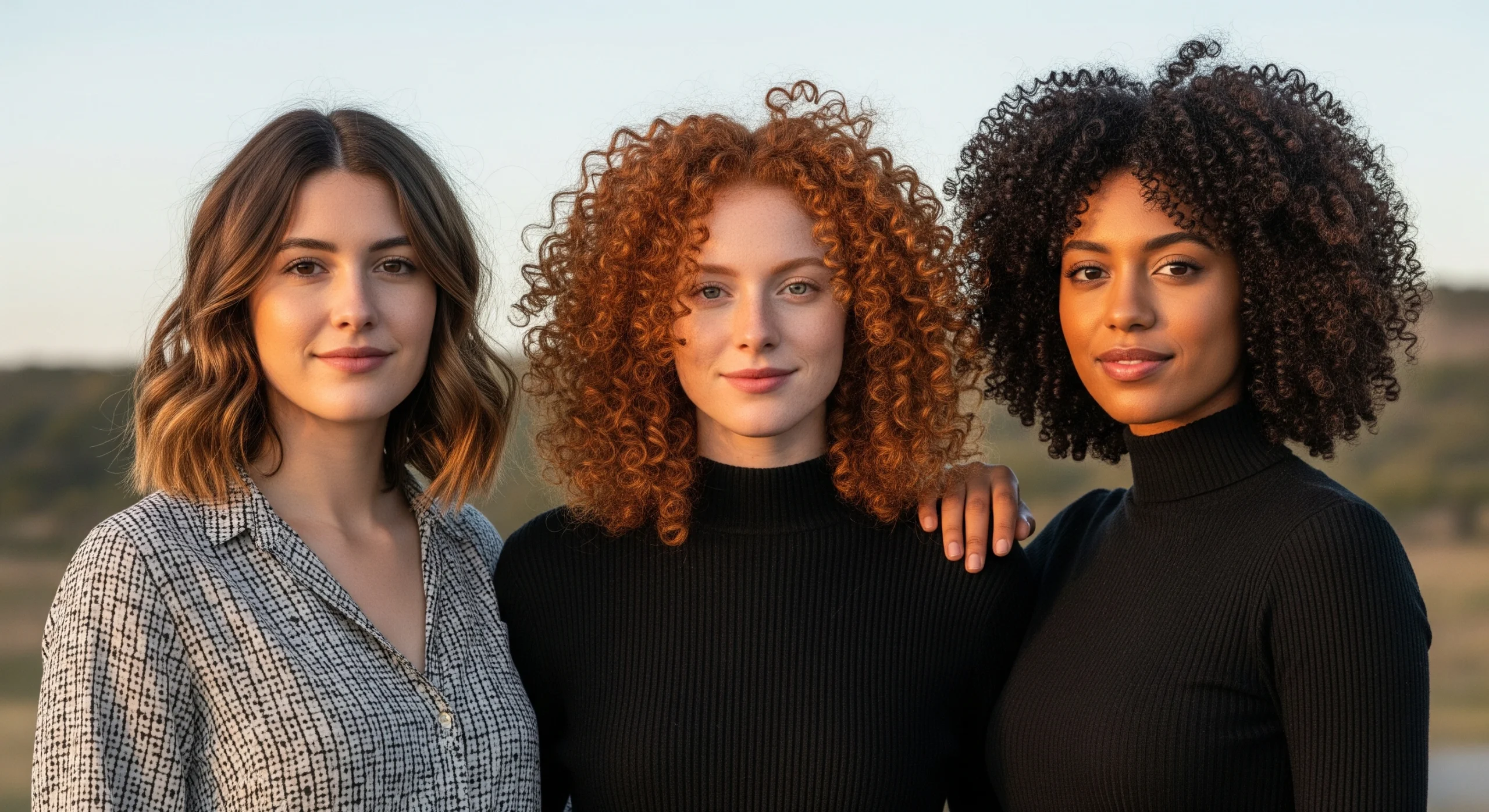
- Type 2 (Wavy): S-shaped waves that lay closer to the head.
- Focus: Volume and preventing product weigh-down.
- Type 3 (Curly): Defined loops ranging from sidewalk chalk width (3A) to pencil width (3C).
- Focus: Definition and frizz control.
- Type 4 (Coily/Kinky): Tight zig-zags or coils. This hair type is naturally drier and fragile.
- Focus: Intense moisture and shrinkage management.
Pro Tip: Examine your hair when it is wet and product-free to see its true pattern.
The Role of Hair Porosity
Porosity is often more important than curl pattern. It measures your hair’s ability to absorb and retain moisture.
- Low Porosity: Cuticles are tight. Products sit on top.
- Care: Use heat (warm water) to open cuticles; stick to lightweight liquids.
- High Porosity: Cuticles are raised (gaps). Hair absorbs moisture fast but loses it fast.
- Care: Use heavier creams, butters, and oils to seal moisture in.
The Float Test: Drop a clean strand in a glass of water.
- Floats: Low Porosity.
- Sinks: High Porosity.
- Hovers: Medium Porosity.
2. Essential Curly Hair Care Routines
A consistent routine is the foundation of healthy hair. Follow this structured approach to transform your wash day.
The Wash Day Protocol
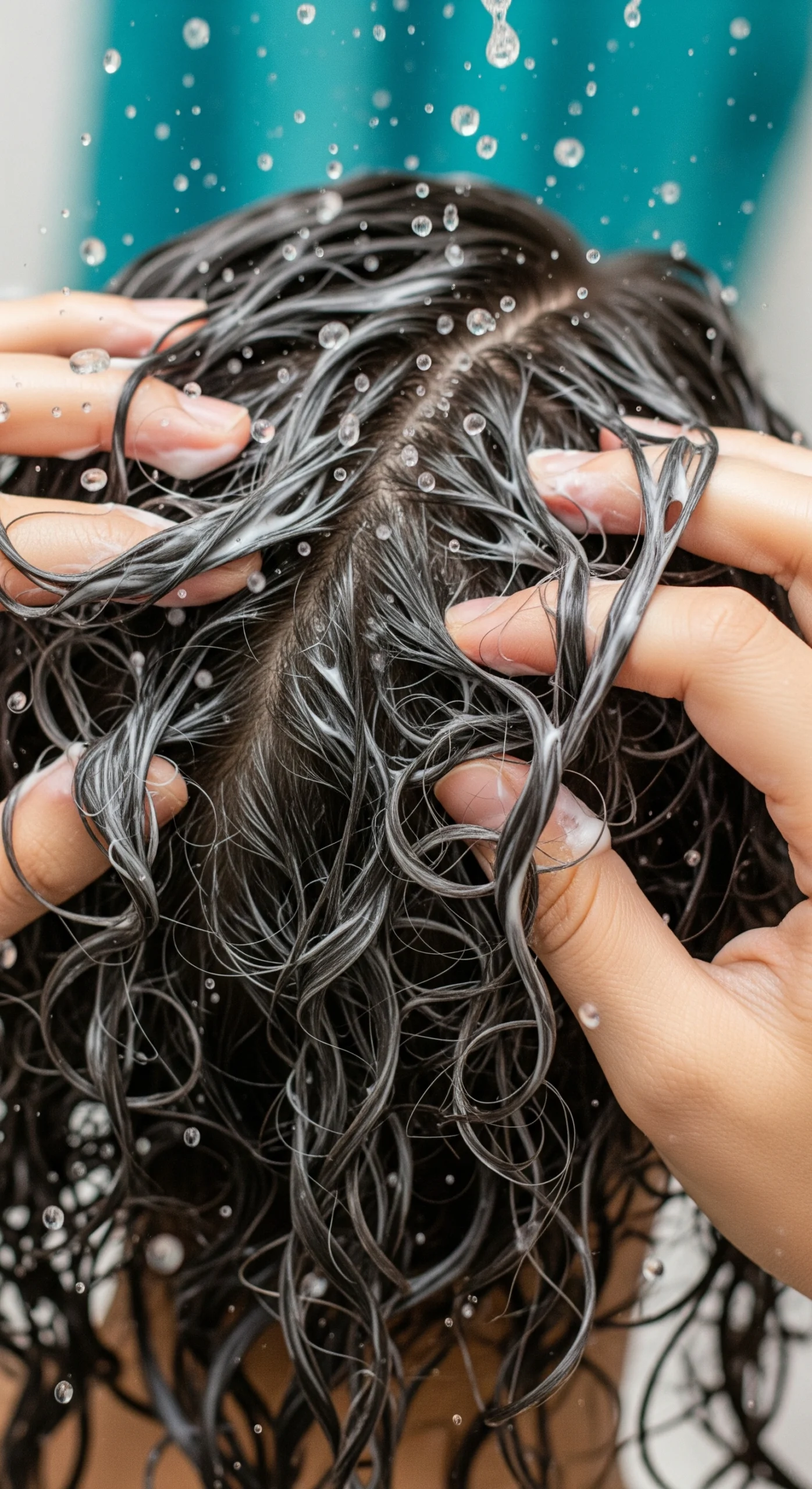
- Cleanse: Use a sulfate-free shampoo to clean without stripping natural oils. If you have Type 4 hair, consider a moisturizing co-wash.
- Condition (Squish to Condish): Apply conditioner to soaking wet hair. “Squish” the product upward into your curls. The sound of water squelching indicates proper hydration.
- The LOC/LCO Method: For moisture retention, apply liquid (water/leave-in), Oil, and Cream—in that order.
Nighttime Protection
Never sleep on loose curls on cotton. Cotton absorbs moisture and causes friction (frizz).
- Use a Silk Bonnet: Keeps curls contained.
- The “Pineapple”: Gather hair in a high, loose ponytail to protect the curl pattern.
- Satin Pillowcase: Reduces friction if a bonnet falls off.
3. Best Curly Hairstyles for Every Occasion
Versatility is the superpower of curly hair. Here are trending styles optimized for modern life.
Everyday Casual Looks
- The “Wash-and-Go”: High definition using gel, allowing curls to dry in their natural state.
- Half-Up, Half-Down: Pulls hair from the face while showing off length.
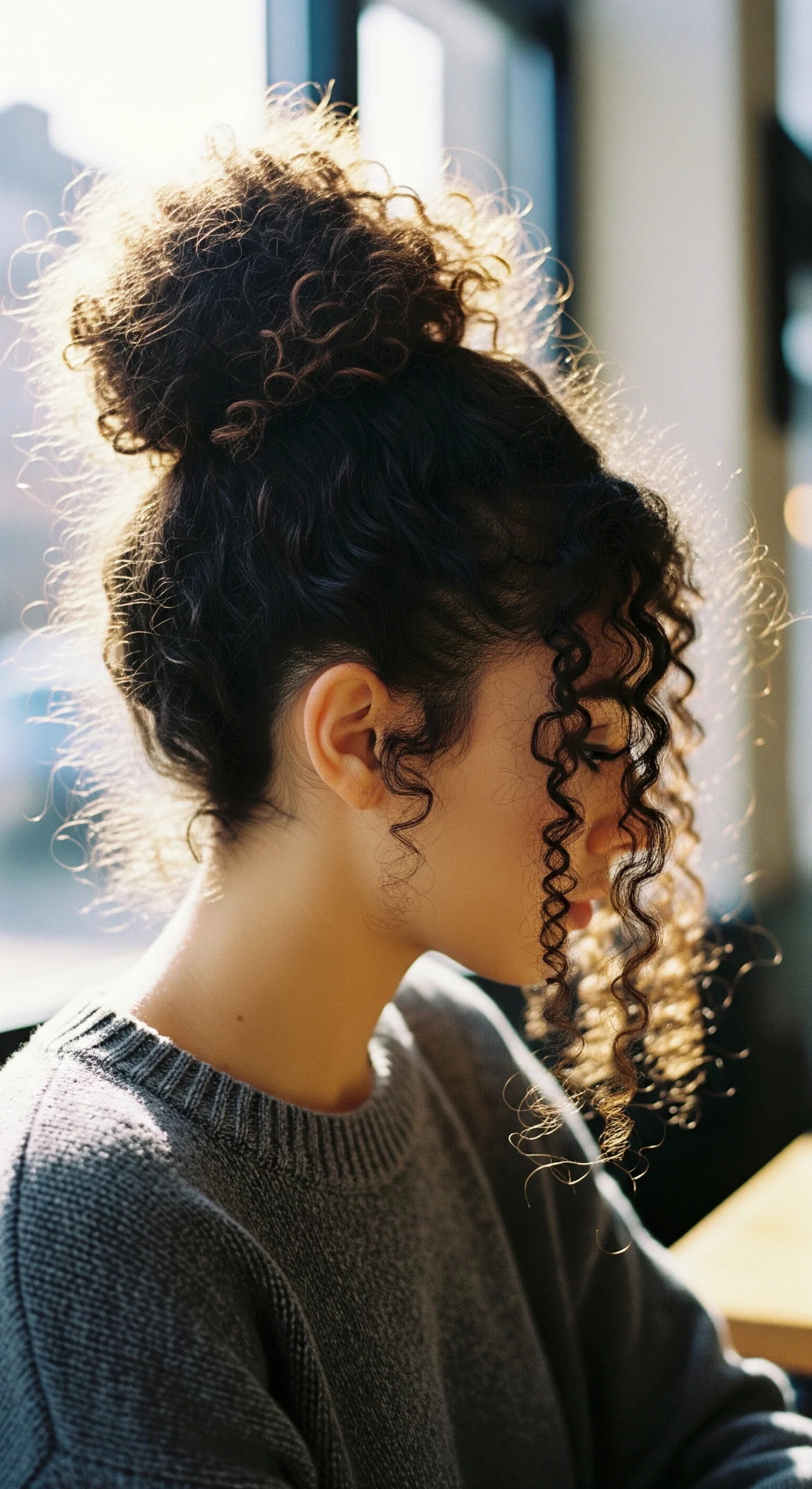
- Messy Bun with Tendrils: A romantic, effortless look that takes minutes.
Professional and Office-Ready
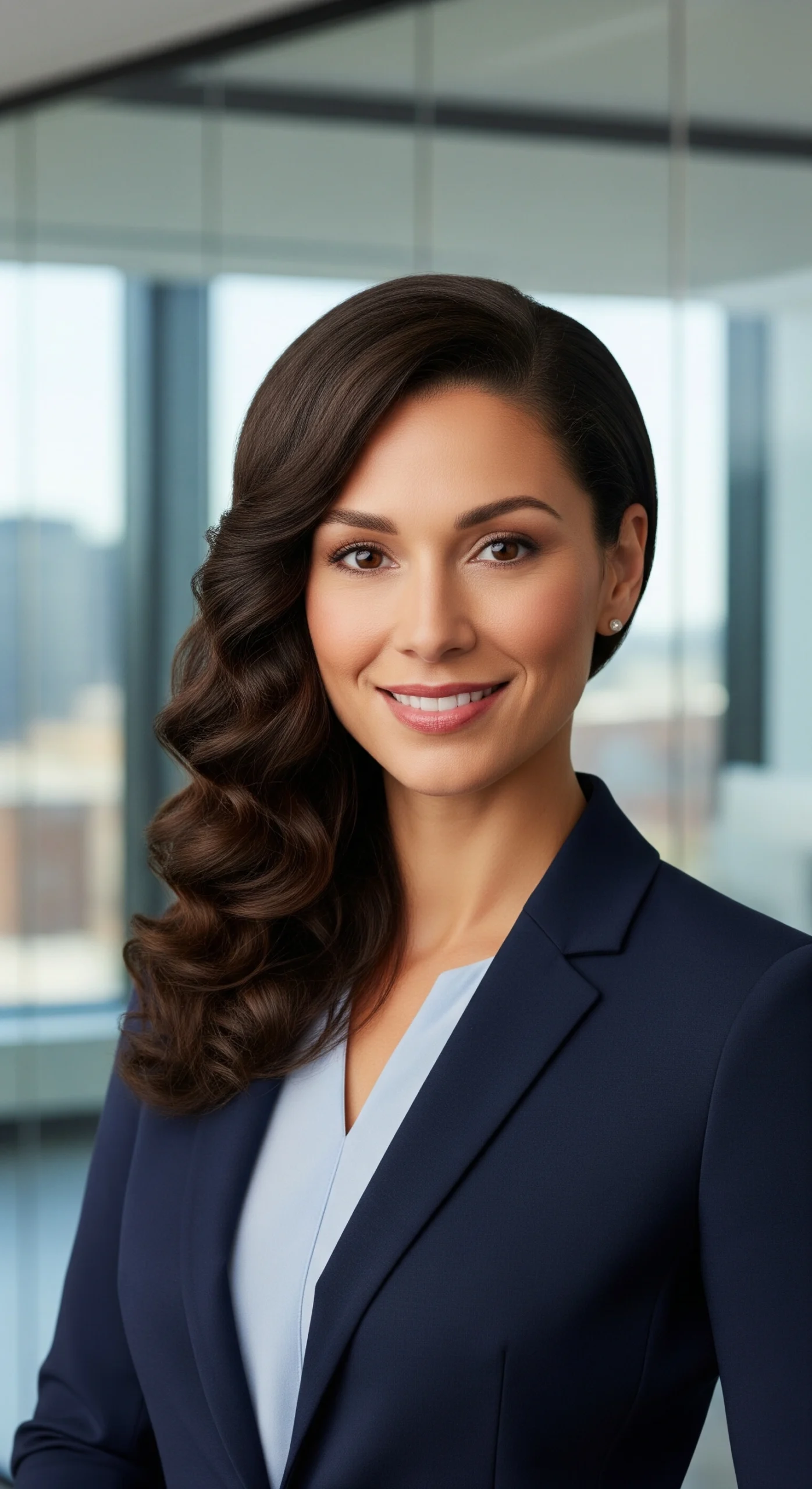
- Sleek Low Bun: Use a boar bristle brush and edge control to smooth the roots while keeping the bun textured.
- Twisted Updo: Flat twists leading into a chignon create a sophisticated, protective style.
- Pinned Side-Sweep: Deep part your hair and pin one side back for an asymmetrical, polished look.
4. Trendy Haircuts for Curls (Short, Medium, & Long)
The shape of your cut determines how your curls sit. Always seek a “dry cut” or specific techniques like the DevaCut or Rezo Cut.
Short Curly Styles
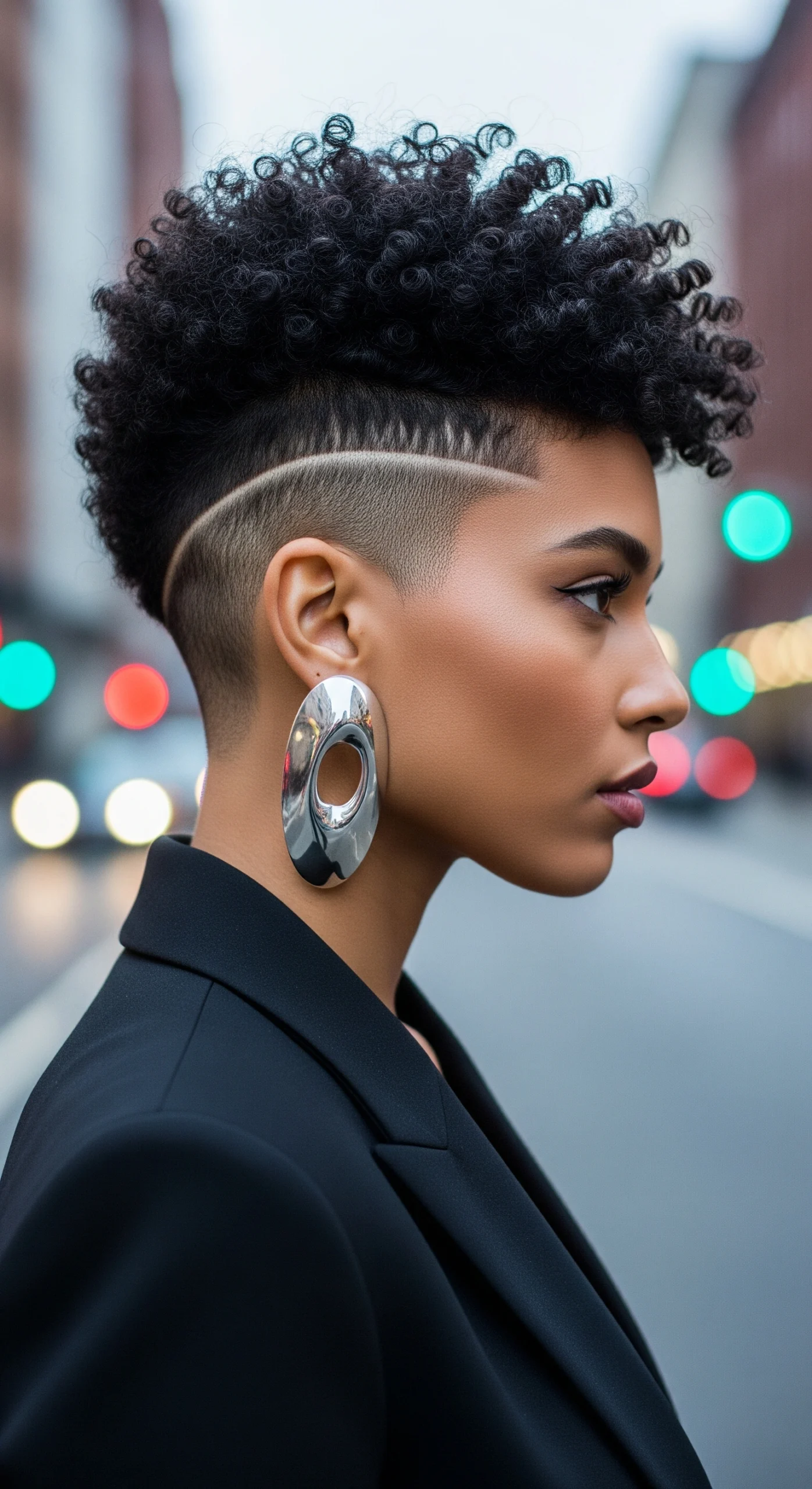
- Curly Pixie: Low maintenance and highlights cheekbones.
- The Tapered Cut: Short sides with volume on top; excellent for Type 3 and 4 hair.
Medium & Long Styles
- The Shag / Wolf Cut: Heavy layers create volume and remove the “triangle head” shape.
- Face-Framing Layers: Adds movement around the face without sacrificing overall length.
5. Frizz Control & Troubleshooting
Frizz usually indicates a lack of moisture or broken hydrogen bonds due to friction.
Common Curly Mistakes to Avoid
- Over-washing: Strips oils. Limit to 1–3 times a week.
- Using Terry Cloth Towels: The loops snag hair. Switch to a microfiber towel or cotton T-shirt (Plopping).
- Touching Wet Hair: Once styled, do not touch your hair until it is 100% dry. Breaking the “gel cast” too early causes frizz.
Ingredients to Look For
- Humectants (Glycerin, Aloe): Pull moisture from the air (avoid in extremely humid weather).
- Emollients (Shea Butter, Argan Oil): Seal moisture in.
- Proteins (Hydrolyzed Wheat/Silk): Structure for damaged or high porosity hair.
Frequently Asked Questions (FAQ)
Q: How do I refresh my curls on day 2 or 3?
A: Do not re-wash. Mix water and a little conditioner in a spray bottle. Lightly mist the hair and “prayer hands” glaze over the frizz. Scrunch gently.
Q: What is the best way to dry curly hair?
A: Air drying is the healthiest, but for volume, use a blow dryer with a diffuser attachment on low heat and low speed.
Q: Why are my roots flat but my ends curly?
A: This is often caused by product weight. Apply heavy creams mid-length to ends, avoiding the scalp. You can also clip your roots up while drying for extra lift.
Q: How can I transition from heat damage to natural curls?
A: You have two options: the “Big Chop” (cutting off all damage) or long-term transitioning (trimming ends gradually while doing weekly protein treatments and wearing protective styles).
Embracing your natural texture is a journey. By understanding your curl pattern, porosity, and the right product ingredients, you can transform your hair health and confidence. Experiment with these techniques to find your signature curly style.