Creamy Blonde Hair Dye: 5 Best Pro Secrets
Introduction If you have been scrolling through TikTok or Instagram lately, you’ve noticed a shift. We are moving away from the icy, high-maintenance platinum trends of 2020 and embracing warmth and luxury. Searches for creamy blonde hair dye and “cashmere blonde” trends have spiked over 200% in the last quarter alone. Why? because this shade—a seamless blend…
Introduction
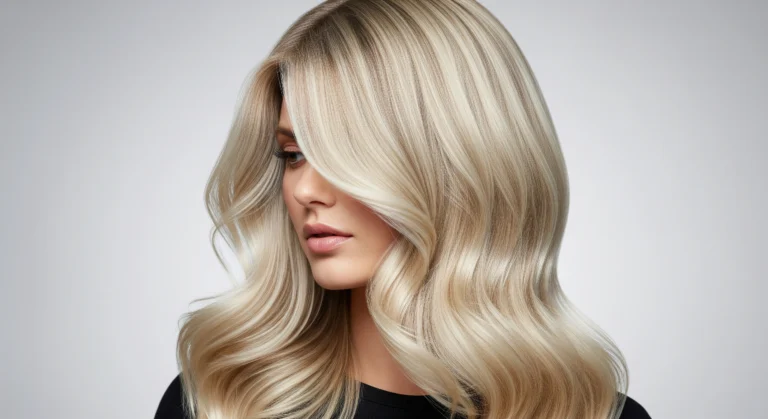
If you have been scrolling through TikTok or Instagram lately, you’ve noticed a shift. We are moving away from the icy, high-maintenance platinum trends of 2020 and embracing warmth and luxury. Searches for creamy blonde hair dye and “cashmere blonde” trends have spiked over 200% in the last quarter alone. Why? because this shade—a seamless blend of cool beige and warm vanilla—mimics the natural, sun-drenched reflection of hair that has never been damaged, even when it has.
However, achieving this specific tone is more than just buying a box off the shelf; it is a lesson in chemistry. The quest for the perfect creamy blonde hair dye is often a struggle against unwanted brassiness and compromised hair integrity. As a celebrity hairstylist and trichology enthusiast, I’m going to walk you through the exact protocol to achieve this expensive-looking color while prioritizing the health of your follicle and preserving the cortex. Whether you have Type 1 straight hair or Type 4 coily texture, this guide will help you achieve that mirror-like, creamy finish without the salon price tag.
Essential Toolkit & Product Breakdown
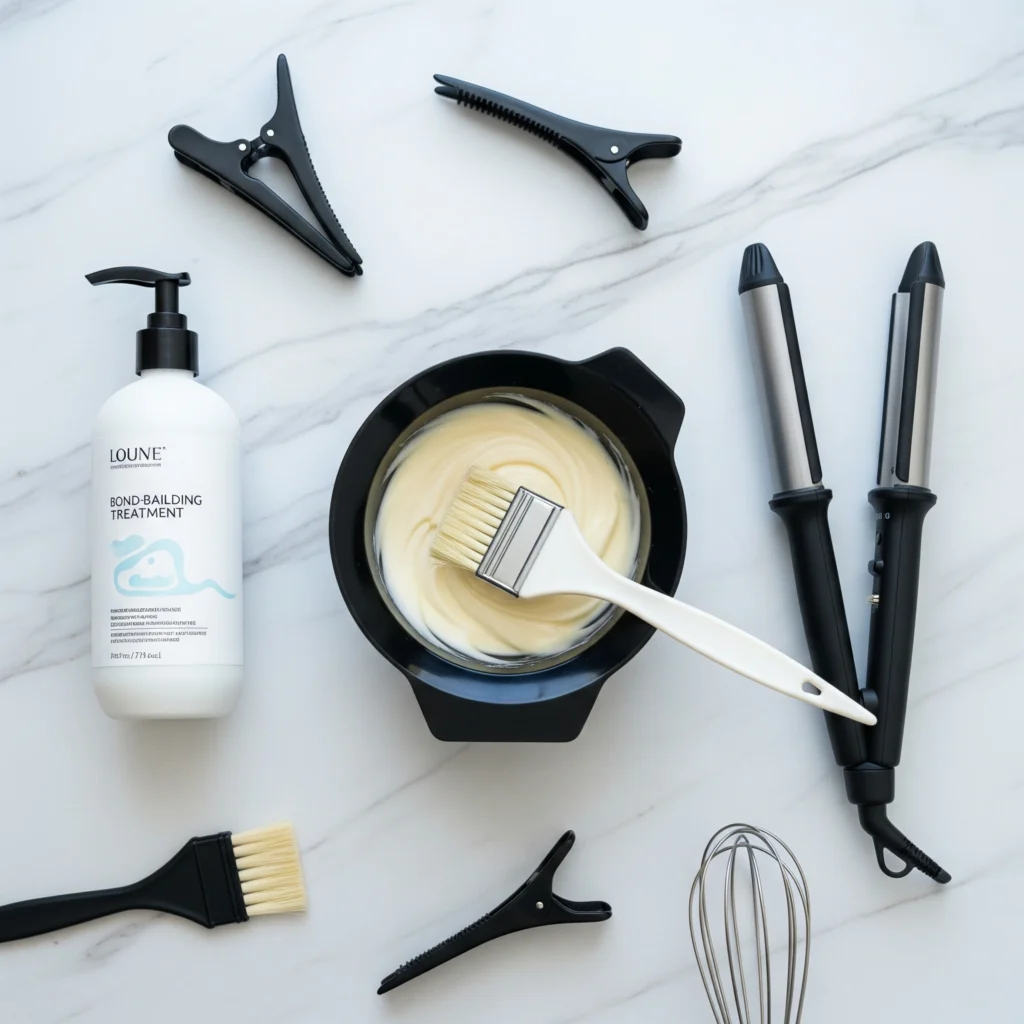
To transform your hair using creamy blonde hair dye, you need a workstation that mimics a professional color bar. The chemistry of blonde relies on precise measurements and chemical reactions.
The Prep & Protect (Don’t Skip)
- Chelating Shampoo: To remove mineral buildup and heavy metals that can react with bleach.
- Bond-Building Additive (e.g., Olaplex No.1 or K18): This is non-negotiable for preserving disulfide bonds.
- Protective Scalp Oil: Essential for protecting the lipid layer of your scalp during processing.
The Color & Chemical Arsenal
- High-Quality Lightener (Bleach): Look for clay-based or oil-based lighteners if you have fragile hair.
- Developers (10, 20, or 30 Volume): Never 40 volume. We want a “low and slow” oxidation.
- The Toner (The “Creamy” Secret): You generally need a Demi-Permanent toner mixing a Neutral/Beige base (N) with a touch of Gold (G) and Violet (V).
- Example Formula: 9NB (Neutral Beige) + 9V (Violet to cut yellow).
Tools of the Trade
- Application Brush: A wide brush for roots and a feather-bristle brush for blending.
- Processing Cap: Traps body heat to ensure even processing.
- Gloves: Nitrile gloves prevent chemical burns.
Pro vs. Budget Breakdown
- The Pro Route: Using a system like Redken Shades EQ or Wella Illumina. These offer translucency and keep the cuticle sealed.
- The Budget Hack: Instead of expensive salon lighteners, you can use the Wella Color Charm liquid toners available at beauty supply stores (Mix T18 + T11 for that creamy look).
- Note: Please avoid “Box Dye” kits from the drugstore. They often contain metallic salts that make color correction nearly impossible and severely disrupt porosity levels.
Time Commitment & Hair Prep
Total Time Required: 3 to 5 hours (depending on starting level and density).
Skill Level: Intermediate to Advanced.
This transformation requires patience. Using creamy blonde hair dye is essentially a double process: lifting (removing pigment) and depositing (adding the creamy tone).
The “Sebum” Strategy
Unlike a blowout where clean hair is king, coloring works best on “Day 2 or 3” hair. Your natural sebum distribution acts as a protective barrier for your scalp against chemical irritation. However, avoid having heavy product buildup (hairspray/gels) on the hair shaft, as this creates an uneven lift.
Pre-Color Assessment
- Porosity Test: Float a strand of hair in water. If it sinks immediately, your cuticle is blown wide open (High Porosity). You will need a protein filler before toning.
- Elasticity Check: Stretch a wet strand. If it snaps immediately without stretching, do not bleach. You need a moisture/protein treatment first.
Step-by-Step Styling Protocol
This protocol assumes you are starting with hair that needs lifting (darker blonde or light brown) to reach the level necessary for creamy blonde hair dye to deposit correctly.
Step 1: The Lift (Creating the Canvas)
- Sectioning: Divide hair into four clean quadrants. This ensures you apply product efficiently before the chemicals lose potency.
- Mixing: Mix your lightener with the developer (usually 1:2 ratio) and add your bond-building agent.
- Application: Apply the lightener 1/2 inch away from the scalp (to avoid “hot roots” caused by scalp heat accelerating the lift). Saturate the mid-lengths and ends.
- Texture Adjustment (Type 3/4 Curls): Apply the lightener to individual curl clumps, gently stretching the curl to ensure the inside of the coil is saturated. Do not rub; glide the product on.
- Stylist Secret: Keep the hair saturated. Dry bleach stops working and starts damaging the cuticle.
Step 2: The Root Match
- Once the lengths are halfway lifted (turning yellow-orange), apply the lightener to the roots.
- Process until the hair is the color of the inside of a banana skin (Pale Yellow). Do not wait for it to turn white! We need the yellow pigment to anchor the creamy beige tone.
Step 3: The Neutralization Wash
- Rinse with tepid water. Shampoo lightly. Towel dry gently by squeezing—never rub, as the wet hair structure is fragile.
Step 4: The Creamy Toner Deposit
- This is where the magic happens. Apply your specific creamy blonde hair dye formulation (The Demi-Permanent Toner).
- Application: Apply rapidly from roots to ends. The toner needs to sit for 10–20 minutes.
- Watch the Process: Watch the hair change. It will go from bright yellow to beige to creamy. If it starts looking “muddy” or purple, rinse immediately.
- Stylist Secret: For a “Lived-In” look, use a toner one shade darker on the roots (shadow root) to ensure a softer grow-out.
Step 5: The Cuticle Seal
- Rinse the toner with cool water to snap the cuticle shut.
- Apply an acidic conditioning mask or a glossing treatment to restore the pH balance to 4.5–5.5.
The Science of Hair Health
As a Trichology enthusiast, I believe understanding why this works prevents disasters. The process of going creamy blonde involves severe chemical changes.
When we apply bleach, an alkaline agent swells the cuticle, allowing hydrogen peroxide to enter the cortex (the inner hair shaft) and oxidize the melanin. This breaks down the natural color molecules. However, it also breaks disulfide bonds, which give hair its strength and texture.
Why “Creamy” requires Healthier Hair
Unlike Ash Blonde, which strips all warmth, or Platinum, which removes all pigment, creamy blonde hair dye relies on balancing warmth.
- Light Refraction: Healthy, sealed cuticles reflect light, creating the “creamy” appearance. Damaged, porous hair absorbs light, looking matte and dull.
- pH Balance: Products used after dyeing must have a low pH (3.5–5) to flatten the cuticle scales. This locks in the color molecules and the lipids necessary for moisture retention.
- Thermal Protection: Blonde hair has a stripped lipid barrier. Heat styling without protection boils the moisture within the cortex, leading to “bubble hair” (tiny blisters in the hair shaft) and eventual breakage.
Customizations for Hair Type & Length
Not all creamy blondes are created equal. Tailoring the application to your specific geometry and texture is key.
Short Hair (Pixie / Bob)
- Application: For lengths less than 4 inches, heat from the scalp travels faster down the strand. Use a lower volume developer (10 or 20 vol) to prevent over-processing.
- Visual: Opt for an “All-Over” global creamy blonde rather than highlights, which can look spotty on short crops.
Long Layers
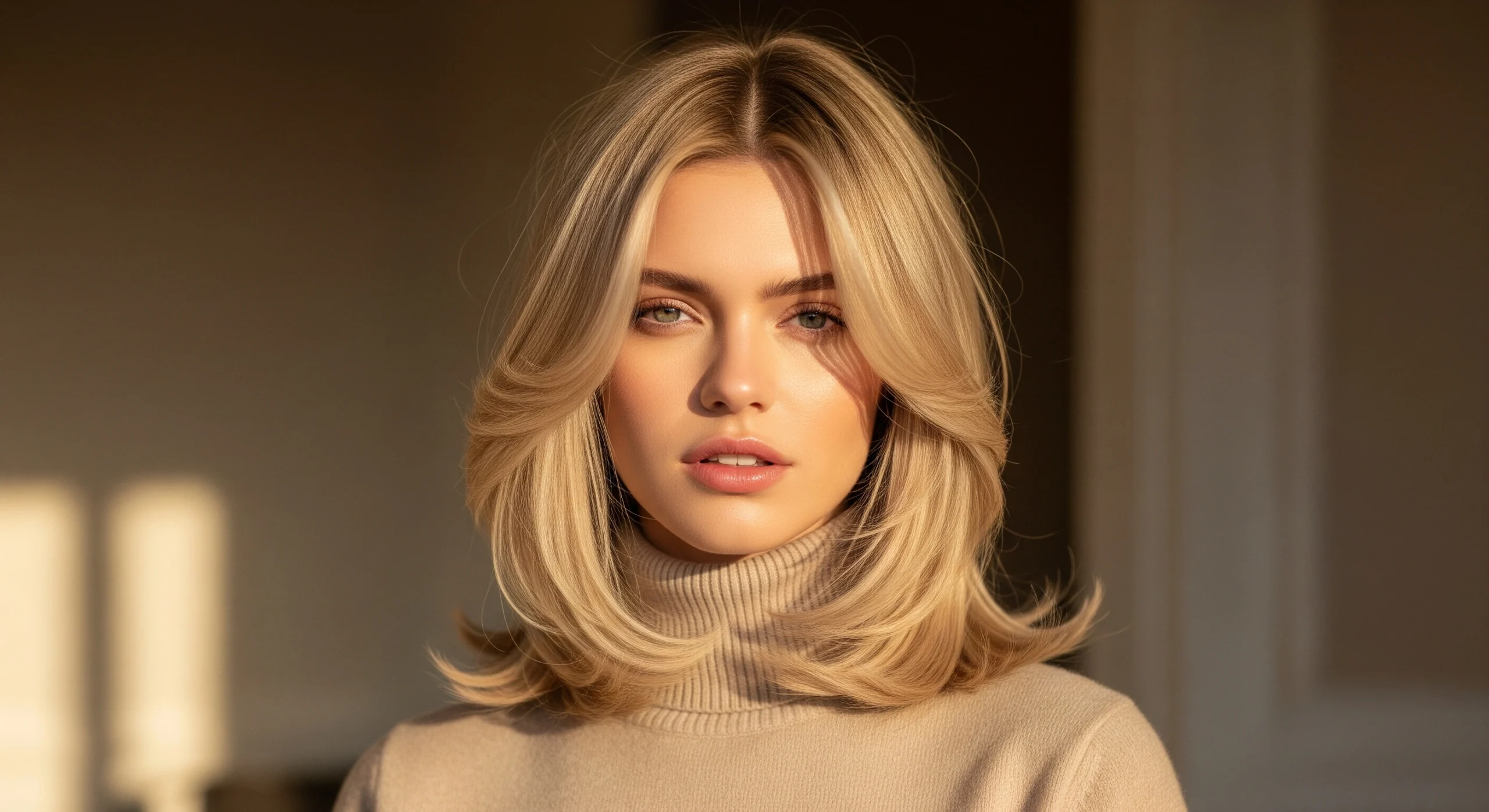
- Application: Focus the brightness (the highest lift) around the face frame (The Money Piece). Keep the ends slightly lighter than the mids to mimic natural weathering.
- Health: Long hair is older hair. The ends are more porous. Apply the creamy blonde hair dye toner to the ends only for the last 5 minutes of processing to prevent them from “grabbing” the color too darkly.
Textured & Coily Hair (Type 3 & 4)
- Processing: This hair type naturally has an elliptical follicle shape, making it more prone to breakage at the curve.
- Modification: Always perform a wet stretch test. If the curl pattern loosens significantly during bleaching, rinse immediately.
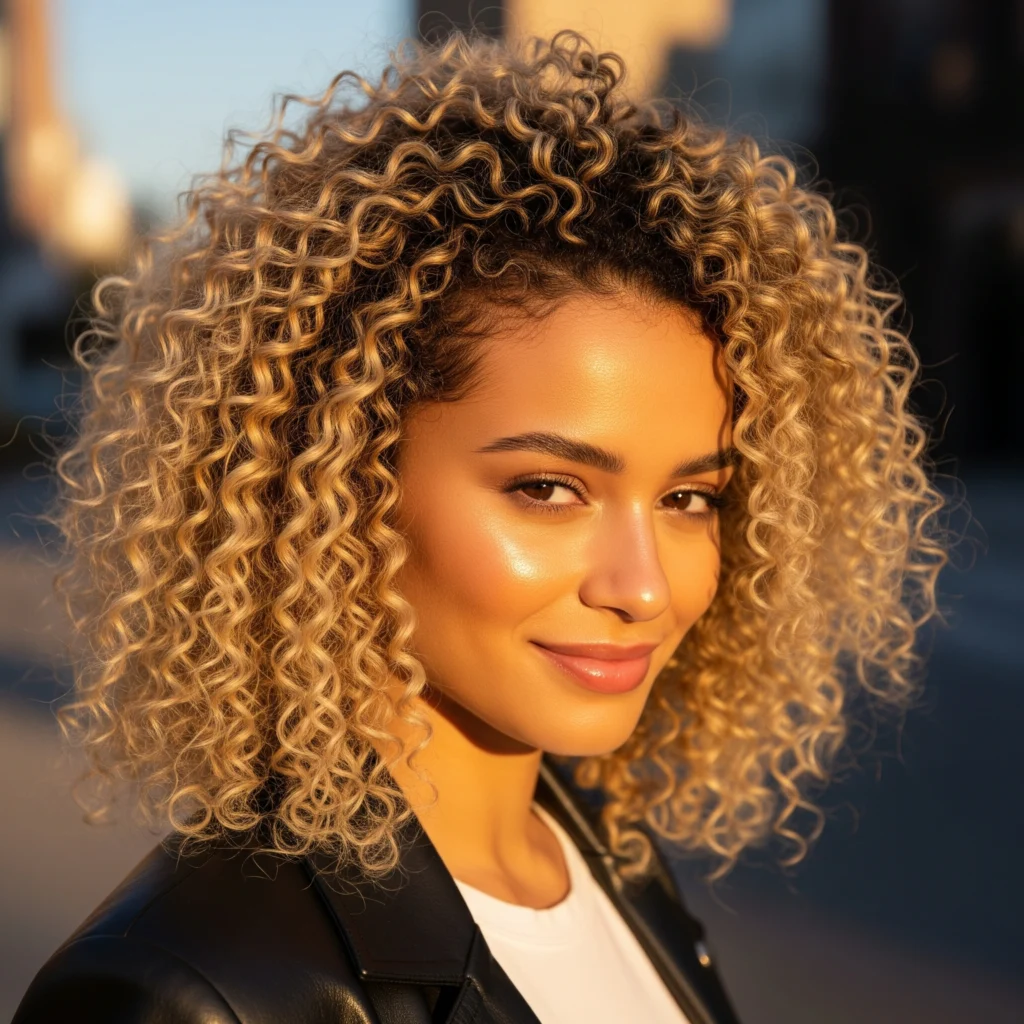
- Tone: Creamy blonde looks exceptionally luxurious on curls because the dimension highlights the spiral structure. Use a liquid toner rather than a cream toner, as it penetrates the coils easier without requiring heavy manipulation.
“Complete The Look” Pairings
The creamy blonde hair dye aesthetic exudes “quiet luxury.” It demands a polished finish in your overall styling.
- Makeup: Because this hair color balances cool and warm, avoid heavy contouring. Lean into “Soft Glam”—dewy skin, champagne highlighters, and rosy-nude lips. The creamy hair brightens the skin, so you may need less foundation than usual.
- Wardrobe: This hair color pops against monochromatic neutrals. Think oatmeal, charcoal, black, and navy. High-neck tops and turtlenecks act as a seamless canvas, letting the hair serve as the primary accessory.
- Jewelry: Mixed metals look incredible with creamy blonde. The silver picks up the beige tones, while gold picks up the vanilla warmth.
Common Styling Mistakes
Even with the best creamy blonde hair dye, user error can ruin the result.
1. The “Hot Root” Effect
- Problem: Roots are lighter and warmer than the ends.
- Cause: Scalp heat processed the bleach faster than the cold lengths.
- Solution: Apply bleach to the mids and ends first, leaving the roots for last. If fixing it later, use a “root smudge” toner one level darker than your length.
2. The Green Tinge
- Problem: Hair looks muddy or greenish.
- Cause: Using an ash toner on porous, yellow hair (Blue + Yellow = Green).
- Solution: Wash with a clarifying shampoo immediately. In severe cases, a “Ketchup mask” (yes, the condiments) can neutralize the green due to the red pigments and vinegar acidity, but a professional pink-based toner correction is safer.
3. Frying the Cortex
- Problem: Hair feels like gum when wet and straw when dry.
- Cause: Overlapping bleach on previously lightened hair.
- Solution: Stop all chemical processing. Do not heat style. Use bond-building treatments exclusively for 6 weeks and get a trim.
The “Refresh” & Sleep Routine
Preserving that expensive-looking creamy tone requires a strict regimen. Blonde molecules are large and unstable; they slip out of the cuticle easily.
The Sleep Strategy
Friction is the enemy of blonde hair. Cotton pillowcases act like velcro to the cuticle, causing breakage and frizz.
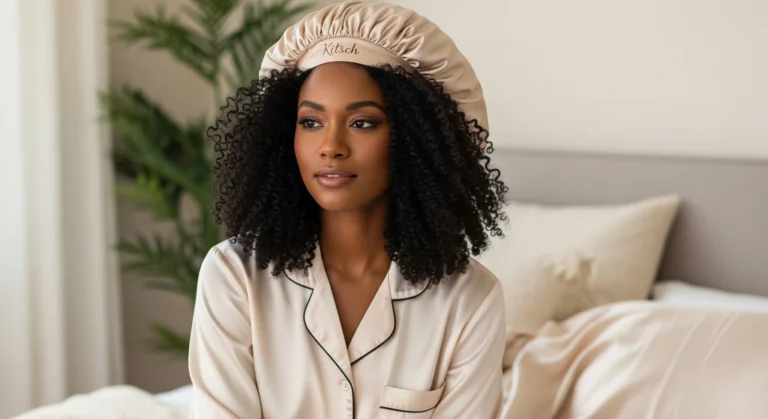
- Silk/Satin: You must use a silk pillowcase or bonnet.
- The Pineapple: For curly/wavy girls, loosely tie hair at the very top of the head with a silk scrunchie.
- Loose Braid: For straight hair, a loose three-strand braid prevents tangling during the REM cycle.
The Refresh (Day 2-4)
- Avoid Daily Washing: Water swells the hair and fades toner. Aim for washing 1-2 times a week.
- Purple Shampoo… with Caution: Only use purple shampoo once every three washes. Overusing it will dull the “creamy” gold tone and turn it slate grey.
- Reviving the Gloss: On dry hair, apply a tiny amount of Argan or Jojoba oil (which mimics natural sebum distribution) to the ends to re-seal the hydration before leaving the house.
Conclusion
Mastering the use of creamy blonde hair dye is the perfect marriage of art and biological science. It is about understanding how light interacts with the melanin in your hair and controlling the chemistry to achieve that perfect, expensive-looking balance of cool and warm. While the maintenance is higher than your natural color, the result—a soft, light-reflecting, luxurious mane—is arguably the ultimate confidence booster.
Prioritize your hair health, respect the bond-building process, and wear your new crown with pride.
I want to see your results! Comment below with your hair type and the toner combination you used, or tag our blog on Instagram for a chance to be featured in our “Blonde Hall of Fame.”
FAQs
1. Will using creamy blonde hair dye damage my curl pattern?
Anytime you use bleach (lift), you alter the protein structure of the hair. However, if you use a low-volume developer (20 vol) and incorporate a bond-builder (like K18 or Olaplex) into the mix, you can maintain the majority of your curl integrity. Hydration post-color is key.
2. Can I achieve creamy blonde if my hair is dyed black?
This is a “Color Correction” scenario. Black dye is difficult to remove. It may take 3-4 separate sessions to reach a pale yellow safely. Attempting this in one day will likely result in chemical breakage.
3. Does this style require heat tools?
Not necessarily! While a ceramic iron smoothes the cuticle for that “glass hair” look, creamy blonde looks stunning with air-dried texture if the hair is healthy. Use a leave-in conditioner with light hold to encourage frizz-free waves.
4. How often do I need to re-tone?
Toners typically fade after 4 to 6 weeks depending on washing frequency. You can refresh your color with a glossing service in between root touch-ups to keep that creamy finish vibrant.
5. What is the difference between “Ash Blonde” and “Creamy Blonde”?
Ash blonde has blue/violet/green undertones and absorbs light (looks matte/cool). Creamy blonde has neutral/gold/violet undertones and reflects light (looks shiny/natural/expensive). Creamy is generally more flattering on a wider range of skin tones.